
Tommaso Sbriccoli
Tommaso Sbriccoli
Back to Contents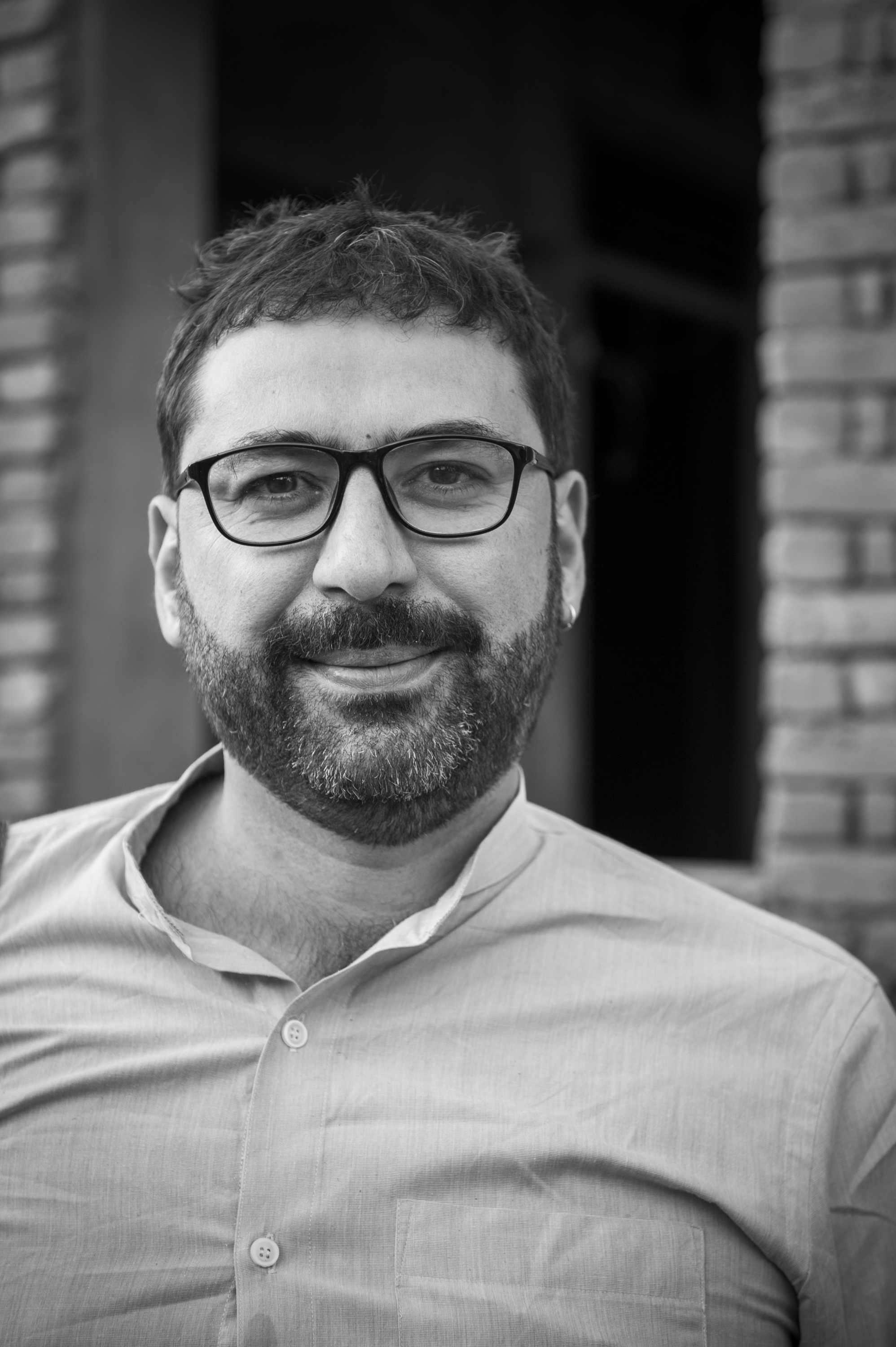
Tommaso Sbriccoli, PhD in Anthropology, is a Research Fellow at the University of Siena and honorary Fellow at University College London (UCL). He specializes in the anthropology of India and South Asia, where he has conducted field research since 2003. Since 2008, he has also carried out research in Italy in the field of migration and asylum. He has collaborated on research projects with institutions such as UCL, SOAS, King's College London, and the Institut Français de Pondichéry.
My field setting
I conducted fieldwork primarily in Tuscany, across the provinces of Florence, Grosseto, Prato, Siena, and Arezzo, and also included interviews and exchanges with legal and social professionals working throughout Italy. Tuscany represents a key site for the study of Pakistani migration to Italy, as it hosts one of the country's oldest Pakistani communities, notably in Prato. Over the past decade, the region has attracted thousands of Pakistani nationals who have established businesses in sectors such as agriculture, catering, and car washing, or are employed within these same sectors.
My key research questions
Building on extensive research on transnational migration from South Asia to Italy, as well as long-term fieldwork in South Asia, my ethnographic point of entry for studying 'offers that cannot be refused' has been extortion relations as they unfold among Pakistani migrants in Italy, and in their interactions with Italian locals. This has entailed focusing primarily on labour relations and on narratives of the migration journey, as labour and mobility constitute the principal sites in which extortion practices take shape. I have also examined Pakistani migrants' emic perspectives on these practices, analysing the multiple, and at times conflicting, conceptualisations of what constitutes extortion.
My research findings
The study of relationships between Pakistani migrants and institutional actors has led me to interrogate the ways in which the law can be strategically mobilised—both by migrants and by the State—to pursue their respective personal or political agendas. My research reveals how extortion practices are embedded in labour relations and migration journeys, constituting the principal sites in which coercive exchanges take shape. The analysis of Pakistani migrants' emic perspectives uncovers multiple, and at times conflicting, conceptualisations of what constitutes extortion, highlighting how cultural context shapes the boundaries between legitimate exchange and coercive extraction.
Back to the Team